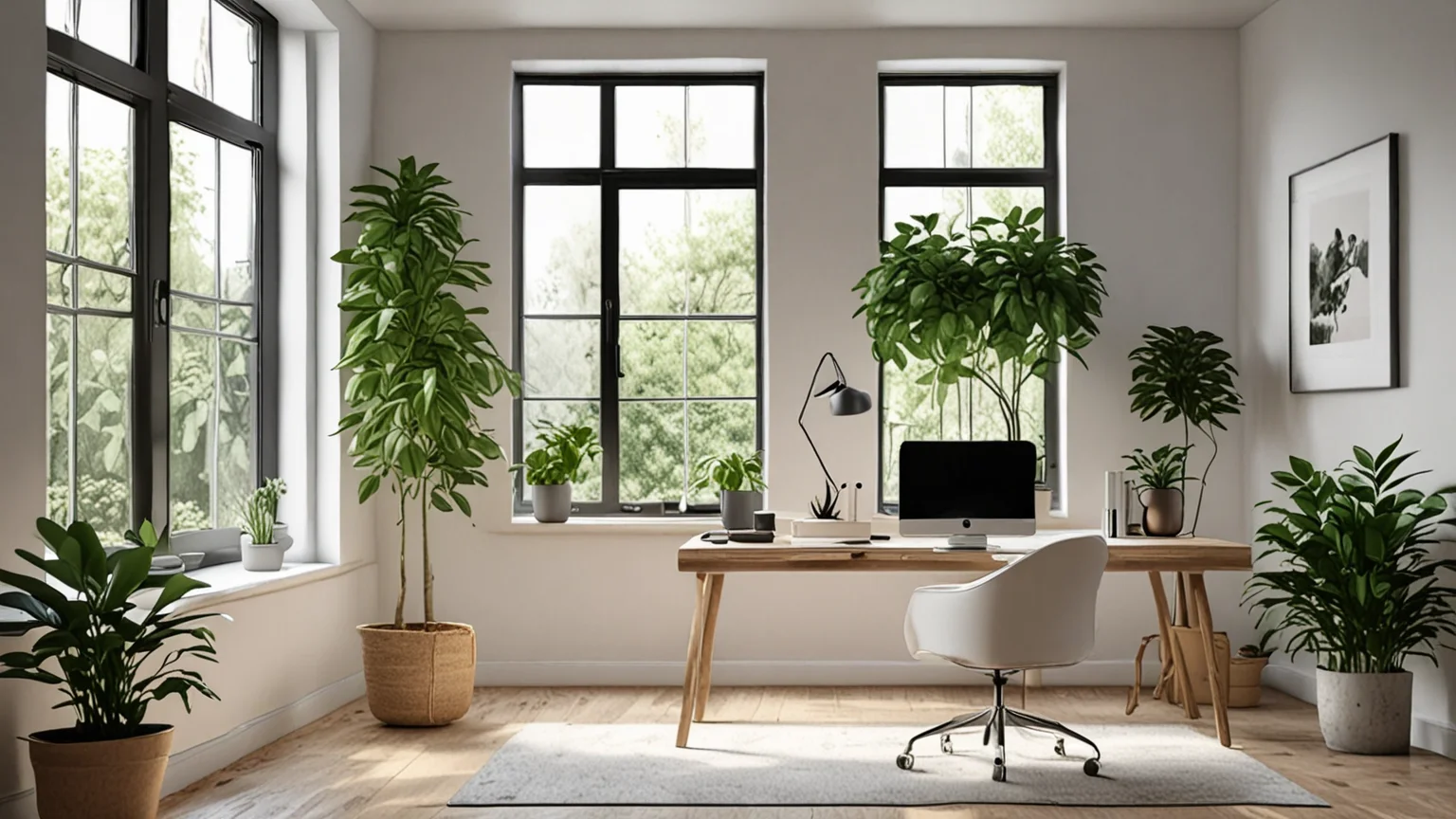
The Complete Standing Desk Buying Guide: Finding Your Perfect Height-Adjustable Workstation
Introduction
In today's increasingly sedentary work environment, the standing desk has emerged as a revolutionary solution for improving workplace health and productivity. Whether you're a remote worker, office professional, or someone who spends long hours at a computer, investing in a quality standing desk can significantly impact your physical well-being and work performance.
When shopping for a standing desk, the market offers an overwhelming array of options—from basic manual models to sophisticated electric height-adjustable desks priced at several thousand dollars. The key to making the right purchase lies in understanding what features matter most for your specific needs, budget constraints, and workspace requirements.
Before diving into the technical specifications, it's essential to consider your primary use case. Are you looking to reduce sitting time gradually? Do you need maximum adjustability for multiple users? Are you working in a small home office space? These questions will help narrow down your options and ensure you select a desk that truly serves your lifestyle.
Key Features to Consider
Height Adjustment Mechanism
The heart of any standing desk lies in its height adjustment system. Electric desks offer the most convenience with smooth, quiet motorized adjustments that can be controlled via buttons or smartphone apps. Manual desks rely on hand cranks or gas pistons, providing a more affordable option but requiring physical effort to adjust height. Consider how frequently you'll need to change positions—electric models excel when you want to switch between sitting and standing throughout the day.
Desk Surface Area and Design
Desk size should accommodate your monitor setup, keyboard, mouse, and any additional accessories like notebooks or plants. Standard widths range from 48 to 72 inches, with depths typically between 24 and 30 inches. Consider whether you need extra surface area for dual monitors, document holders, or ergonomic accessories. The desk's edge design matters too—rounded corners provide safety while sharp edges might be preferred for certain workspace aesthetics.
Stability and Build Quality
A quality standing desk must maintain stability across all height settings. Look for desks with solid construction materials like steel frames or high-grade particle board. The weight capacity should comfortably exceed your anticipated load, including equipment and accessories. Test the desk's stability by adjusting it to various heights and checking for wobbling or flexing under normal use conditions.
Noise Level During Operation
If you choose an electric model, consider the noise factor—especially if you work in a shared space or have sensitive colleagues. Modern electric desks operate quietly, but some models may produce audible humming sounds during adjustment. Research customer reviews for noise level feedback, particularly if you're considering a desk for a home office setting.
Additional Features and Technology Integration
Many contemporary standing desks include built-in cable management systems, USB charging ports, and even integrated LED lighting. Some models feature memory presets for your favorite sitting and standing heights, while others integrate with fitness tracking apps to remind you to change positions. Consider which features align with your workflow and lifestyle preferences.
Durability and Warranty Coverage
Invest in a desk with robust warranty terms that reflect the manufacturer's confidence in their product. A good warranty typically covers the motor, frame, and electronics for 5-10 years, while the desktop surface should be covered for at least 1-2 years. Check warranty details carefully, especially regarding parts replacement and labor coverage.
Budget Considerations
Standing desks span a wide price spectrum, from budget-friendly options to premium executive models. Understanding these tiers helps you make informed decisions based on your priorities and financial constraints.
Budget Range ($100-$300): Entry-level standing desks offer basic functionality with manual adjustment mechanisms. These desks typically feature simple crank systems and limited surface areas. While they provide a cost-effective way to start incorporating standing into your routine, they often lack advanced features and may have shorter lifespans.
Mid-Range ($300-$800): This category includes most electric standing desks with reliable motors, decent build quality, and reasonable surface sizes. These desks usually offer good value, featuring solid construction, multiple height settings, and basic additional features like cable management.
Premium Range ($800-$2000+): High-end standing desks deliver exceptional build quality, advanced technology integration, and superior user experience. These models often include premium materials, sophisticated motor systems, extensive customization options, and comprehensive warranty coverage. They're ideal for professionals who demand the best performance and longevity.
Luxury Tier ($2000+): These premium desks offer custom finishes, specialized materials, and cutting-edge smart technology. They're designed for those who view their workspace as a luxury investment rather than just a functional necessity.
Remember that while initial costs vary significantly, the long-term health benefits and potential productivity gains often justify higher investments in quality standing desks.
Our Top Recommendations
1. Uplift V2 Standing Desk
Our top pick for overall value, the Uplift V2 combines excellent build quality with affordable pricing. Its electric motor provides smooth operation, and the desk accommodates both single and dual monitor setups. With solid construction and a generous 72-inch width, it suits various workspace needs while maintaining competitive pricing.
2. IKEA Bekant Standing Desk
For budget-conscious buyers seeking reliable performance, the IKEA Bekant offers excellent value. Though basic in features, it delivers consistent quality and proper height adjustment capabilities. It's perfect for those starting their standing desk journey without breaking the bank.
3. Flexispot E7 Electric Standing Desk
This model excels in versatility and user-friendly features. The E7 includes intuitive controls, multiple memory presets, and impressive stability across all height ranges. Its sleek design makes it suitable for both home and office environments, offering great performance at mid-range pricing.
4. Fully Jarvis Electric Standing Desk
Premium choice for serious professionals, the Fully Jarvis combines luxury materials with exceptional engineering. It features advanced motor technology, customizable finishes, and outstanding durability. While costly, it represents the pinnacle of standing desk craftsmanship.
Conclusion
Selecting the right standing desk requires balancing your specific needs, budget constraints, and long-term goals. Start by identifying your primary use case—whether you need occasional standing breaks or full-time height adjustment. Consider factors like desk size, adjustment mechanism, and desired features before settling on a particular model.
Don't overlook the importance of research and customer reviews, as real-world experiences often reveal crucial details about reliability and performance. Many manufacturers offer trial periods, so take advantage of these opportunities to test functionality before committing.
Remember that a standing desk is an investment in your health and productivity, so prioritize quality over the lowest price point. The right desk will seamlessly integrate into your daily routine, encouraging better posture and more active working habits.
Whether you're a first-time buyer or upgrading your existing setup, approach your purchase thoughtfully. Consider not just immediate needs but also future flexibility—will this desk serve you well as your workspace evolves? By carefully evaluating these factors and choosing a desk that aligns with your lifestyle, you'll create a foundation for healthier, more productive workdays.
